Set the scene.
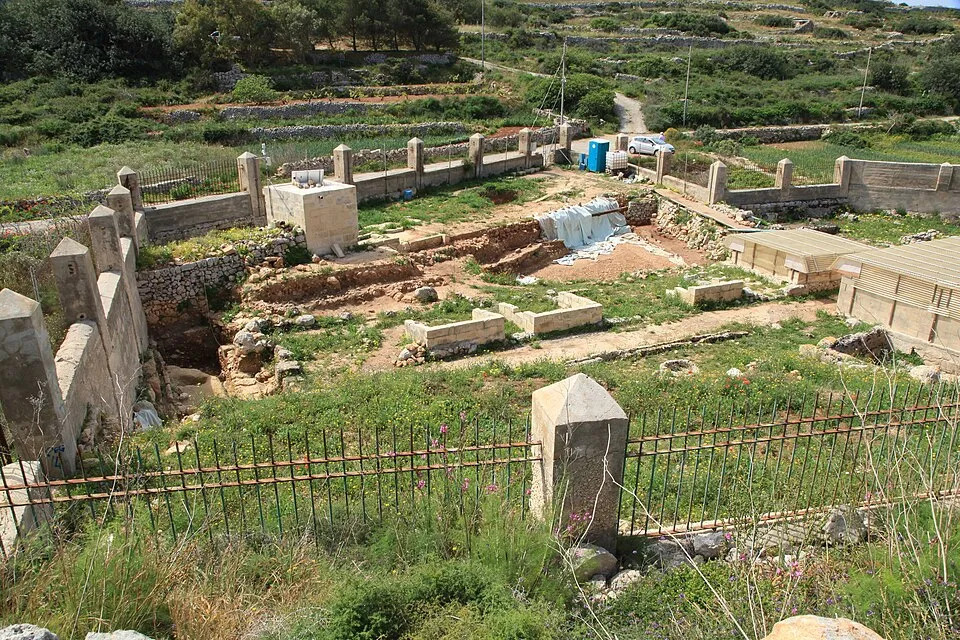
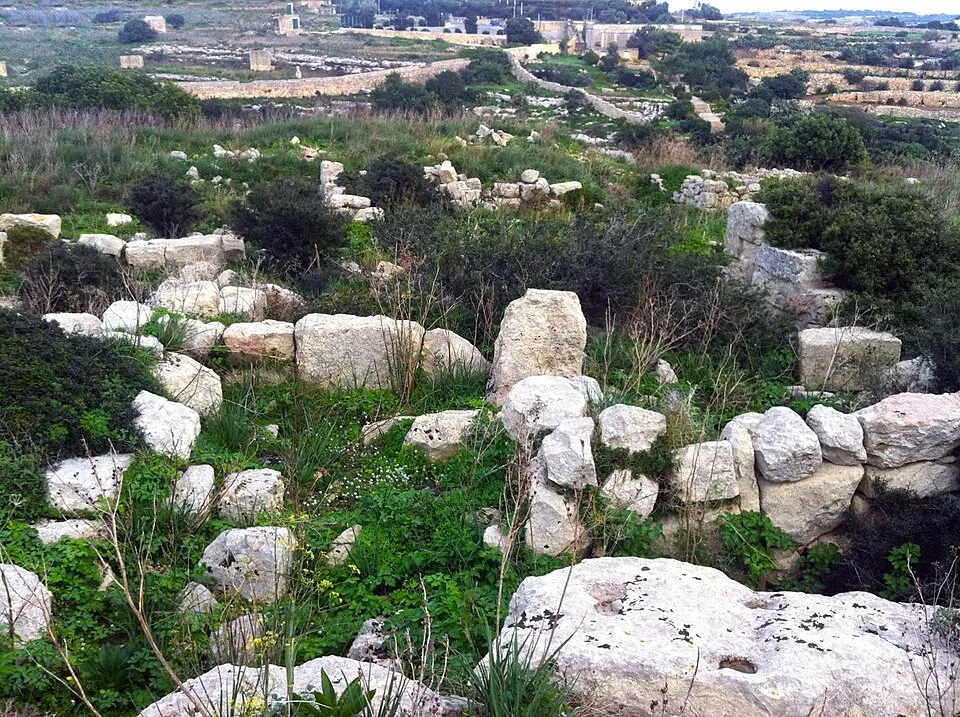
Thomas Ashby completed clearing this rural villa in 1915. Its rooms surrounded a small columned courtyard, with an area for olive-oil production.
Here’s the twist.
Below the courtyard, a cistern retains a Roman concrete roof. The surface still bears impressions from the reeds used while the concrete was being laid.
Why it still matters.
Another rock-cut cistern has square pillars supporting its roof. Look beyond grand mosaics: water storage and construction marks can explain how a Roman farmstead actually functioned.
🧠 One to think about +
What does this story change about the way you see Malta today? Pick one detail you’d tell a friend — then check its source below.